When Vendor Oversight Becomes Admin
 by: Paul DavidsonPublished on: 28/02/2026
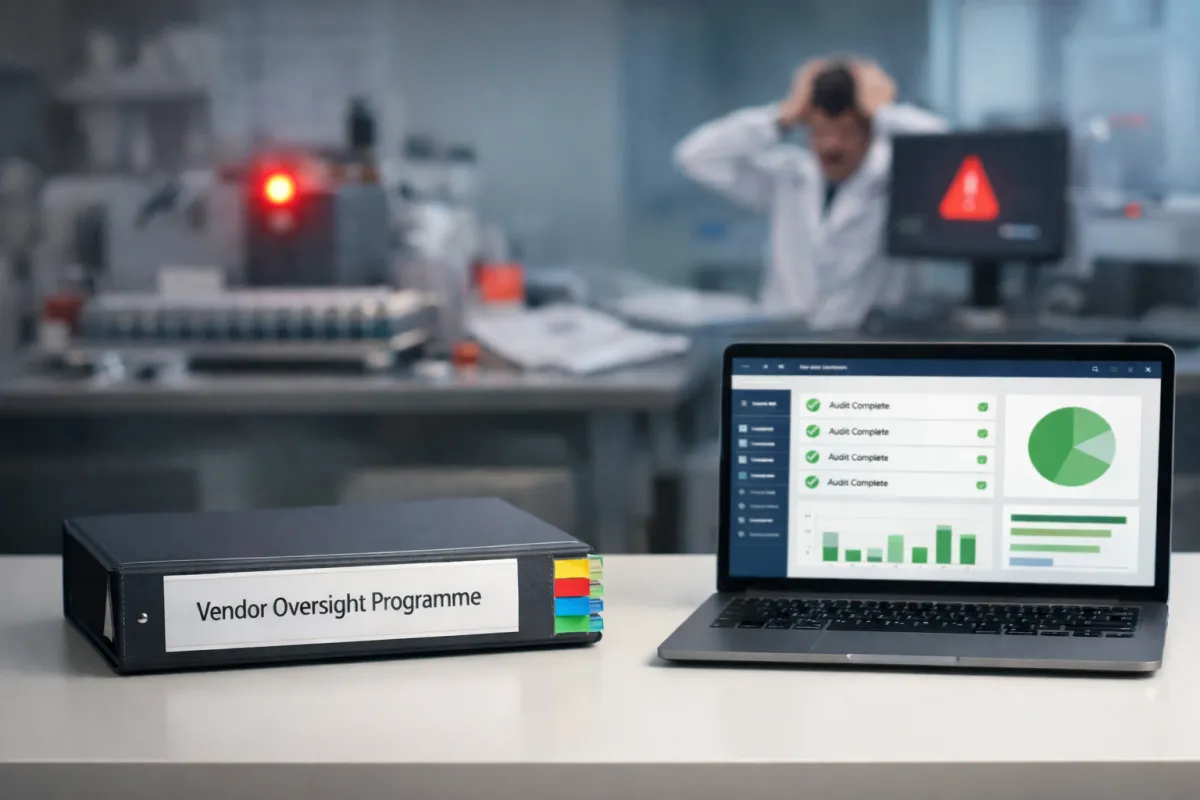
Most GLP organisations would not describe their vendor oversight programme as administrative. And yet, many programmes quietly drift from risk mitigation into record keeping. In this month’s Industry Observations piece, Thomas explores how to recognise when oversight is generating superficial reassurance rather than protection. Are you measuring audit activity instead of risk reduction? Accepting CAPAs without testing effectiveness? Relying on annual audits as evidence of ongoing control? The article goes beyond process and into purpose. It examines how superficial oversight shows up during inspection, what it costs operationally and strategically, and how to reset without rewriting your procedures. If inspection readiness is genuinely embedded, vendor oversight should feel alive, proportionate, and risk-led. If it feels comfortable but passive, that may be the signal. Read the full article to test whether your oversight programme is reducing risk or simply producing evidence.
Insight: When the Decision Rests on What We Provide
by: Paul DavidsonPublished on: 25/08/2025When U.S. Health Secretary Robert F. Kennedy Jr. announced cuts to mRNA vaccine research funding, the reaction wasn’t just political. Scientists worried that the decision rested on incomplete or misleading information. That should sound uncomfortably familiar. In pharma R&D, decision-makers - whether regulators, sponsors, or executives - are equally reliant on the clarity and completeness of what we provide. And too often, omissions creep in: a procedural deviation left unreported, an assay limitation not carried forward, a “minor” inconsistency glossed over. These are rarely malicious. More often, they’re born of pressure - tight budgets, timelines, or assumptions that “everyone knows” the context. Yet the impact can be profound: trials delayed, opportunities lost, or promising therapies abandoned prematurely. Our role in QA is to ensure that the story the data tells is full, clear, and decision-ready. Because the next misinformed decision won’t make headlines - it will happen quietly, in our own organisations.